
GLP-1 weight loss
Lose the weight, keep your life
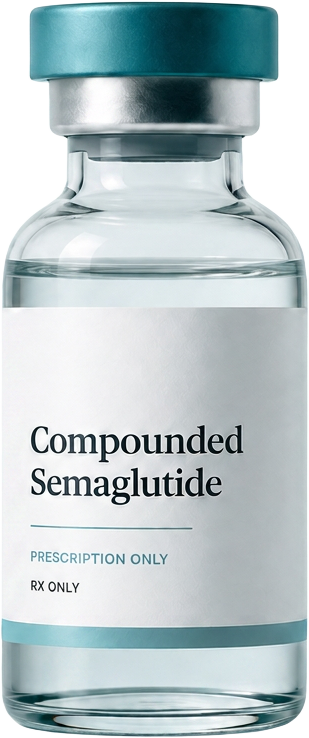
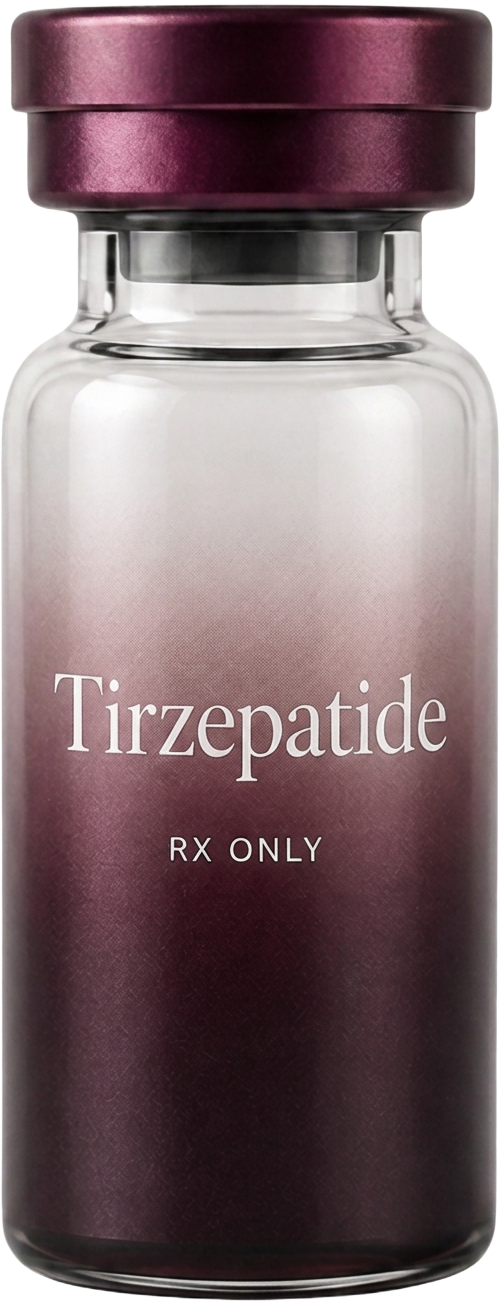
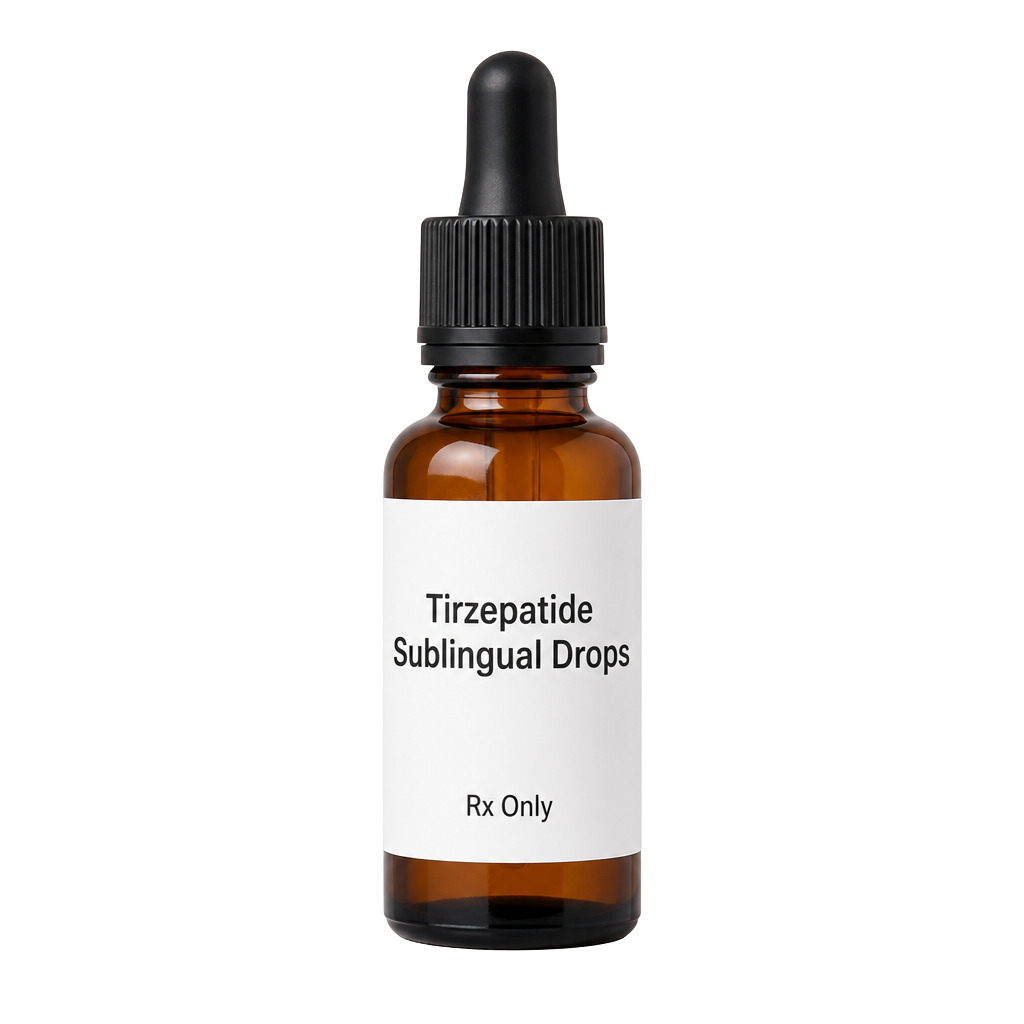
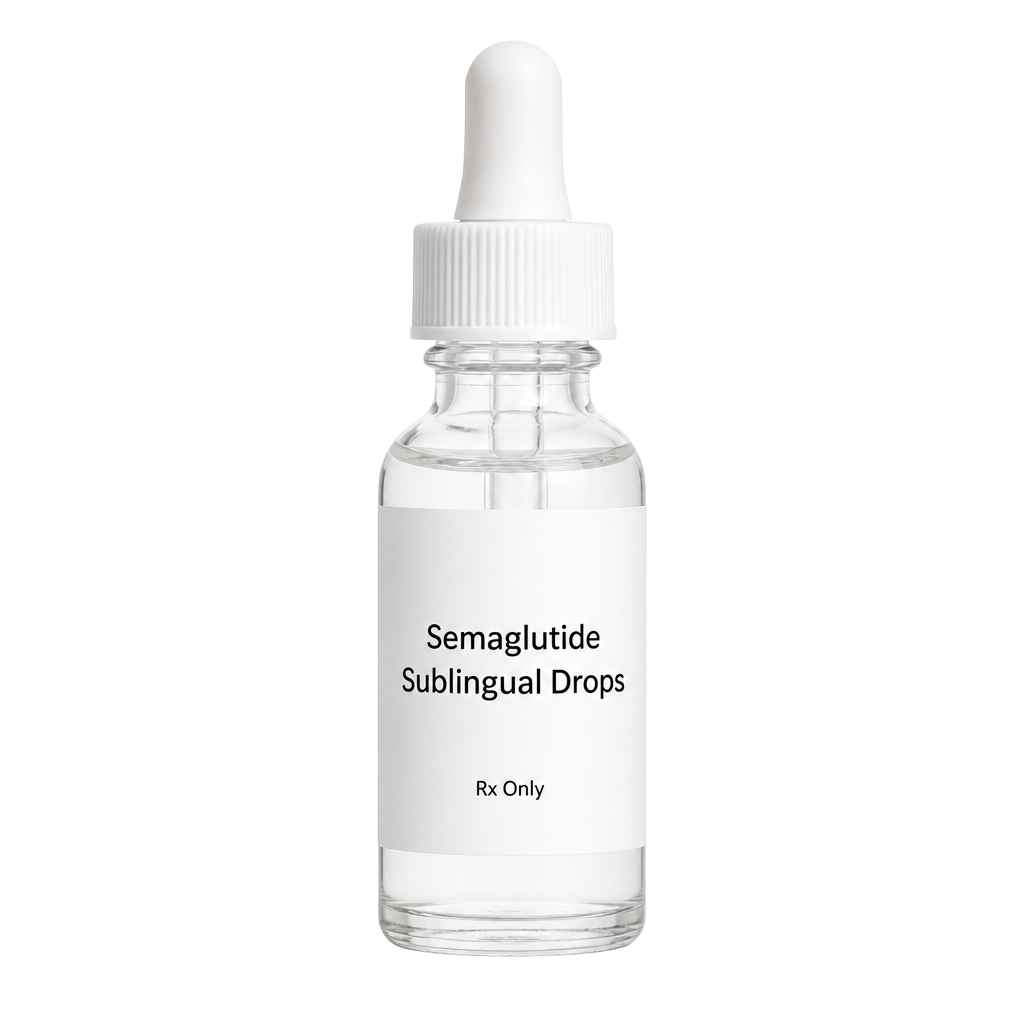
Compounded Semaglutide and Tirzepatide plans from $159/mo, prescribed online by licensed providers and shipped to your door.
Weight Loss treatments
Why patients choose FaroRx
Appetite you can live with
GLP-1 medications work with your hunger hormones so cravings and portion sizes settle down.
One weekly injection
A small subcutaneous dose once a week — no daily pills to remember.
Provider-adjusted dosing
Your titration schedule is reviewed and adjusted as your body responds.
Free discreet shipping
Medication and supplies arrive monthly in plain packaging at no extra cost.
How it works
Tell us your goal — weight, longevity, hair or strength — and a bit of health history. About three minutes.
A licensed U.S. provider reviews your intake and, if treatment is appropriate, builds a plan for your category.
Your medication and supplies arrive free and discreetly, with check-ins and dose adjustments along the way.
Weight Loss questions
How fast will I see results?
Most patients notice reduced appetite within the first two weeks. Meaningful weight change typically appears between weeks 4 and 12 as your dose increases.
Is compounded medication the same as the brand?
Compounded medications are prepared by a licensed U.S. compounding pharmacy and are not FDA-approved products. Your provider will review whether a compounded option is appropriate for you.
What are the common side effects?
Nausea, constipation and mild fatigue are the most commonly reported, and usually ease as your body adjusts. Report anything persistent to your care team.
More about weight loss
Answers to the questions people most often search about weight loss treatment in the United States.
How do I get a GLP-1 weight loss prescription online?
Complete a short online visit with your health history, goals and measurements. A licensed U.S. provider reviews it, and if a GLP-1 is appropriate, your prescription is sent to a partner pharmacy and shipped to your door — usually within a few business days.
What is the difference between Semaglutide and Tirzepatide?
Semaglutide acts on the GLP-1 receptor. Tirzepatide acts on both GLP-1 and GIP receptors, which in clinical studies has been associated with greater average weight reduction. Your provider recommends one based on your history, tolerance and goals.
How much weight can I expect to lose on a GLP-1?
Published trials report average total body weight reductions in the range of roughly 15% for semaglutide and up to about 20% for tirzepatide over 68–72 weeks, combined with diet and activity changes. Individual results vary and are not guaranteed.
How much does GLP-1 weight loss treatment cost?
FaroRx compounded GLP-1 plans start at $159 per month, including the medication, provider oversight, supplies and free shipping. There are no membership or consultation fees on top of the plan price.
Does insurance cover compounded Semaglutide?
Compounded medications are typically paid out of pocket and are not billed to insurance. Many patients use HSA or FSA funds. We provide receipts on request.
Is compounded Semaglutide the same as Ozempic or Wegovy?
No. Brand products such as Ozempic and Wegovy are FDA-approved medications made by their manufacturers. Compounded semaglutide is prepared by a licensed U.S. compounding pharmacy and is not an FDA-approved product. Compounded medications are prepared by a licensed U.S. compounding pharmacy and are not FDA-approved products. Treatment is prescribed only if a licensed provider determines it is appropriate for you.
What are the most common GLP-1 side effects?
Nausea, constipation, diarrhea, reflux, fatigue and injection-site irritation are the most commonly reported. They are usually mild and improve as your body adjusts to each dose step. Report anything severe or persistent to your care team right away.
How long does it take to start working?
Most patients notice reduced appetite and smaller portions within the first one to two weeks. Measurable weight change usually appears between weeks 4 and 12 as your dose is titrated upward.
Do I have to inject myself?
Yes — GLP-1 treatment is a small weekly subcutaneous injection you give yourself, typically in the abdomen, thigh or upper arm. Your kit includes needles, alcohol swabs and step-by-step instructions, and your care team can walk you through the first dose.
What happens if I stop taking a GLP-1?
Appetite usually returns and some weight regain is common after stopping. Many patients transition to a maintenance dose rather than stopping abruptly. Your provider will build a taper or maintenance plan with you.
Can GLP-1 medications cause hair loss?
Hair shedding reported on GLP-1s is usually telogen effluvium — a temporary response to rapid weight loss and lower calorie intake rather than a direct drug effect. Adequate protein, iron and a slower rate of loss help. FaroRx also offers hair treatments if shedding persists.
Do I need a specific BMI to qualify?
Providers generally consider a BMI of 30 or higher, or 27 and above with a weight-related condition such as high blood pressure, prediabetes or sleep apnea. Eligibility is a clinical decision made during your visit.
Who should not take a GLP-1?
GLP-1 medications are not appropriate for people with a personal or family history of medullary thyroid carcinoma or MEN 2, active pancreatitis, or who are pregnant or breastfeeding. Disclose your full history during the intake.
Is GLP-1 treatment available in my state?
FaroRx works with providers licensed in all 50 U.S. states and the District of Columbia. Availability of specific formulations can vary by state pharmacy regulations.
How is my medication shipped?
Medication ships cold-chain in discreet, unbranded packaging with tracking, at no additional cost. Most orders arrive within 2–5 business days of provider approval.
Can I combine a GLP-1 with a MIC + B12 injection?
Some patients add lipotropic MIC + B12 support alongside a GLP-1. Combining treatments is only done when your provider reviews both and confirms it is appropriate for you.
Ready to get started?
Complete a short online visit and a licensed provider will review your plan.
Compounded medications are prepared by a licensed U.S. pharmacy and are not FDA-approved products. Treatment is only prescribed if appropriate after a provider review.