Hair growth
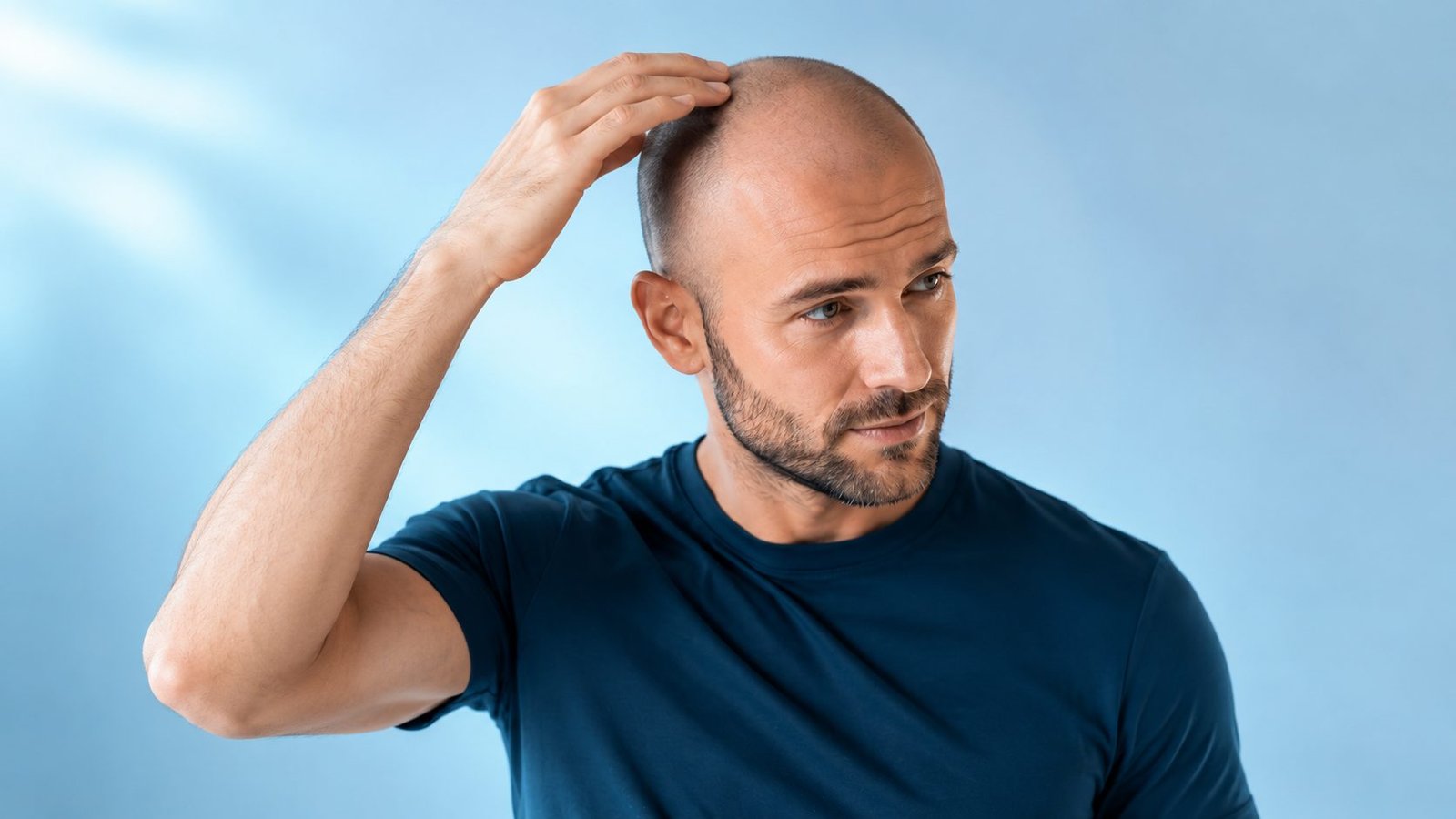
Keep the hair you still have
Finasteride, Minoxidil and combination hair spray plans from $35/mo, prescribed online for men who want to slow shedding and protect density.
Hair Loss treatments
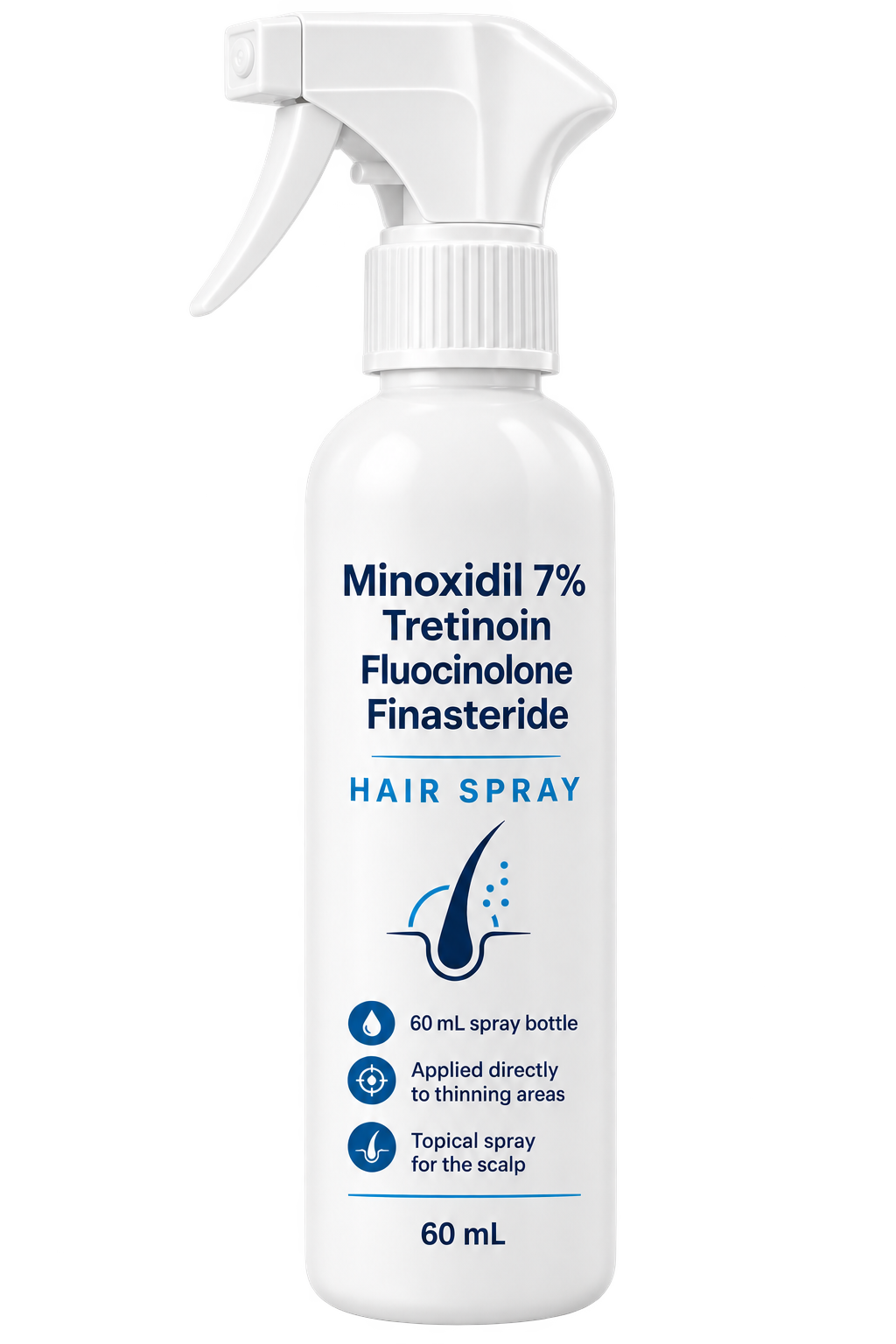
Minoxidil / Tretinoin / Fluocinolone / Finasteride Hair Spray
60mL topical spray · starting at $119/mo
Learn more →Get startedWhy patients choose FaroRx
Oral and topical options
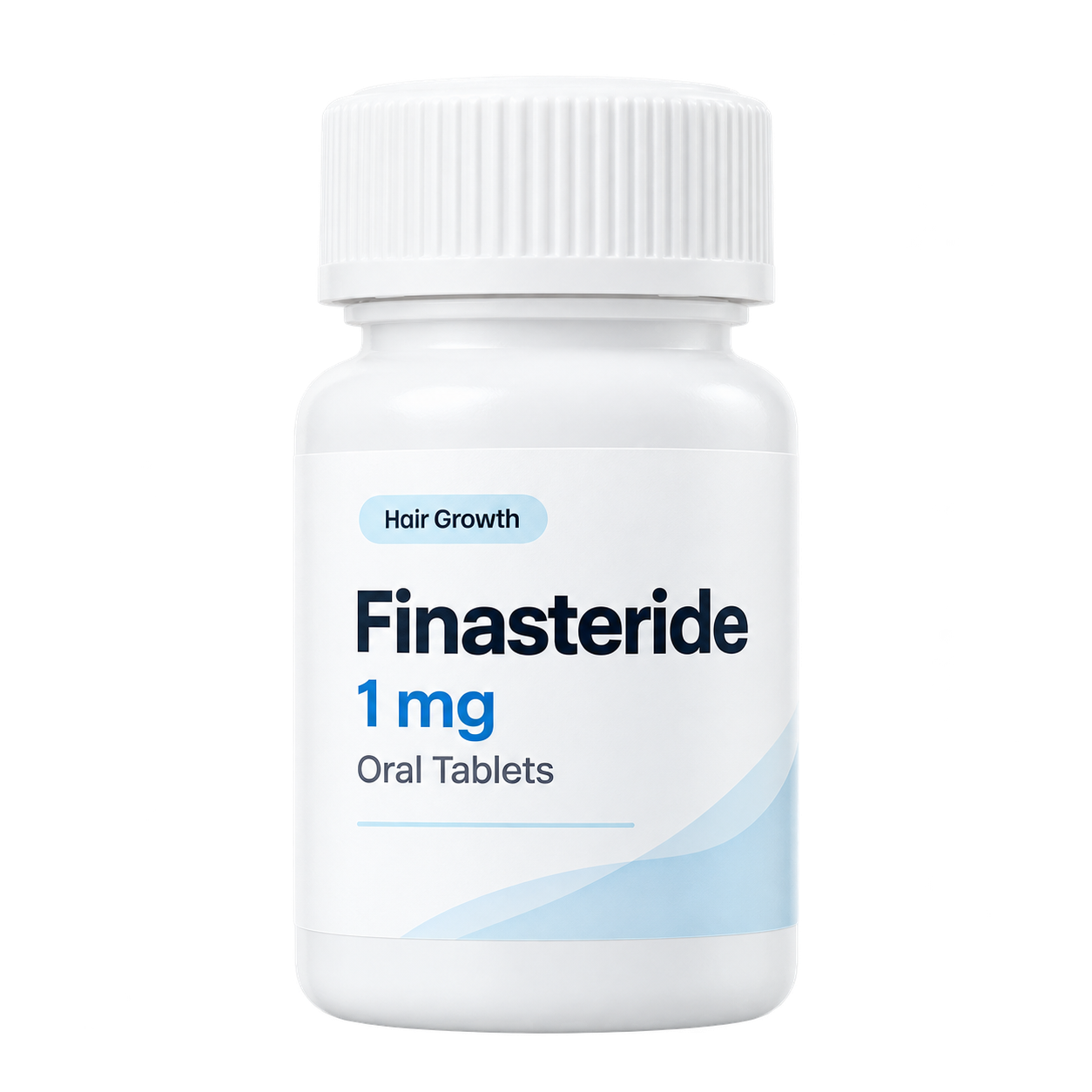
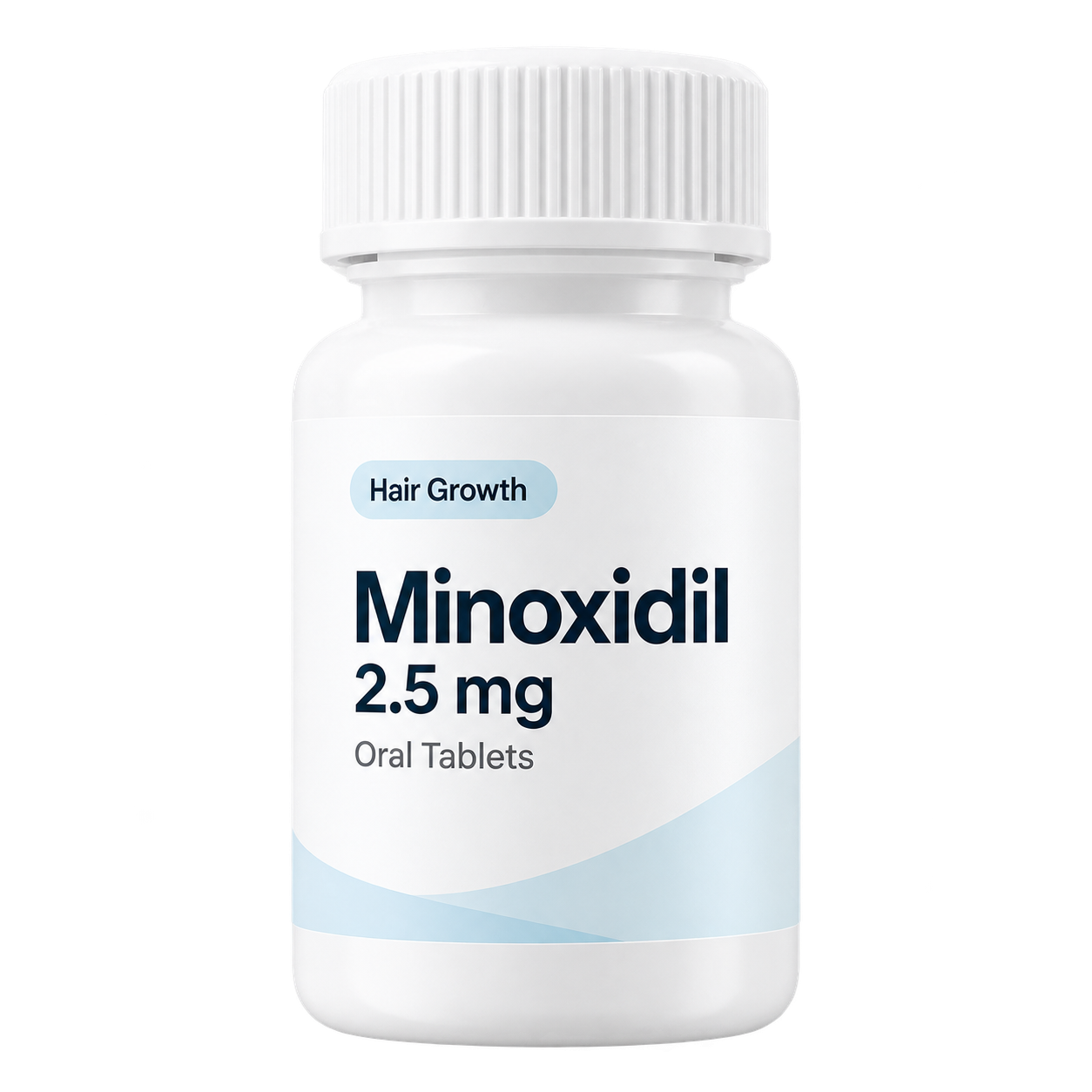
Choose a daily Finasteride or Minoxidil tablet, or a four-active topical spray applied directly to the scalp.
Hormone + blood flow support
Finasteride targets the hormonal driver of hair loss while Minoxidil supports follicle blood flow.
Evidence-backed actives
These ingredients have decades of published clinical data for androgenetic alopecia.
Ongoing check-ins
Your provider follows up so treatment can be adjusted or stopped at any time.
How it works
Tell us your goal — weight, longevity, hair or strength — and a bit of health history. About three minutes.
A licensed U.S. provider reviews your intake and, if treatment is appropriate, builds a plan for your category.
Your medication and supplies arrive free and discreetly, with check-ins and dose adjustments along the way.
Hair Loss questions
When will I see new growth?
Shedding usually slows within 3 months, and visible regrowth typically takes 6 to 12 months of consistent daily use.
Do I need to keep using it?
Yes. Hair loss resumes within several months of stopping treatment, so results are maintained only while you continue.
Is topical safer than oral?
Topical formulas generally result in lower systemic exposure. Your provider will discuss which option fits your health history.
More about hair loss
Answers to the questions people most often search about hair loss treatment in the United States.
What causes hair loss in men?
The most common cause is androgenetic alopecia — genetically sensitive follicles that shrink under the influence of DHT, a byproduct of testosterone. Stress, thyroid problems, iron deficiency, rapid weight loss and some medications can also drive shedding.
How do I stop hair loss?
The evidence-backed approach is to block the hormonal driver and support the follicle: Finasteride reduces DHT, while Minoxidil improves follicle blood flow and prolongs the growth phase. Consistent daily use is what determines results.
How fast does Finasteride work?
Shedding typically slows within about 3 months. Visible regrowth and density changes usually take 6 to 12 months of uninterrupted daily use, and photos taken monthly are the best way to track progress.
Is topical Finasteride safer than oral?
Topical Finasteride generally produces lower systemic exposure than the oral tablet, which some patients prefer. Both forms carry potential side effects, and your provider will discuss which fits your history.
What are the side effects of Finasteride?
A small percentage of men report reduced libido, erectile difficulty or decreased ejaculate volume. These are usually reversible on stopping. Report any mood changes or breast tenderness to your provider promptly.
How does Minoxidil work?
Minoxidil widens blood vessels around the follicle and extends the anagen (growth) phase, producing thicker terminal hairs over time. It does not address DHT, which is why it is often paired with Finasteride.
Is the shedding in the first weeks normal?
Yes. A short "dread shed" in the first 2–8 weeks is common as follicles synchronize into a new growth cycle. It typically resolves and is not a reason to stop treatment.
Do I have to use hair treatment forever?
Results are maintained only while you continue. Hair loss generally resumes within 3–6 months of stopping, and gains made are gradually lost.
Does creatine cause hair loss?
Evidence is limited. One small 2009 study found an increase in DHT among rugby players taking creatine, but no study has shown creatine directly causes hair loss. If you are genetically predisposed, treating the DHT pathway matters more than avoiding creatine.
Does Ozempic or Zepbound cause hair loss?
GLP-1 medications are not thought to attack follicles directly. Shedding on these medications is usually telogen effluvium from rapid weight loss and reduced nutrient intake, and it typically resolves as weight stabilizes.
Can I prevent hair loss while on testosterone?
Testosterone therapy raises DHT, which can accelerate genetic hair loss. Many men on TRT add Finasteride to protect the hairline. Discuss both treatments with your provider so they can be managed together.
Does hair restoration surgery work better than medication?
Transplants relocate existing follicles and can restore a hairline, but they do not stop ongoing miniaturization. Most surgeons still recommend Finasteride afterward. Medication is the lower-cost, non-surgical first step.
How much does prescription hair loss treatment cost?
FaroRx prescription hair plans are billed monthly with medication, provider review and shipping included — far below the cost of surgical restoration, which commonly runs into thousands of dollars.
Do hair vitamins or biotin help?
Biotin only helps if you are actually deficient, which is uncommon. Supplements do not address DHT and are not a substitute for prescription treatment in androgenetic alopecia.
Can women use these treatments?
Oral Finasteride is not prescribed to women who may become pregnant. Female pattern hair loss is treated differently, and our providers will advise on appropriate options.
Ready to get started?
Complete a short online visit and a licensed provider will review your plan.
Compounded medications are prepared by a licensed U.S. pharmacy and are not FDA-approved products. Treatment is only prescribed if appropriate after a provider review.