GLP-1 Diet: What to Eat When Your Appetite Is Lower
Build a practical GLP-1 eating plan with nutrient-rich foods, manageable meals, hydration questions, and personalized support from your care team.
By Moukhtar Itani
Published
Updated
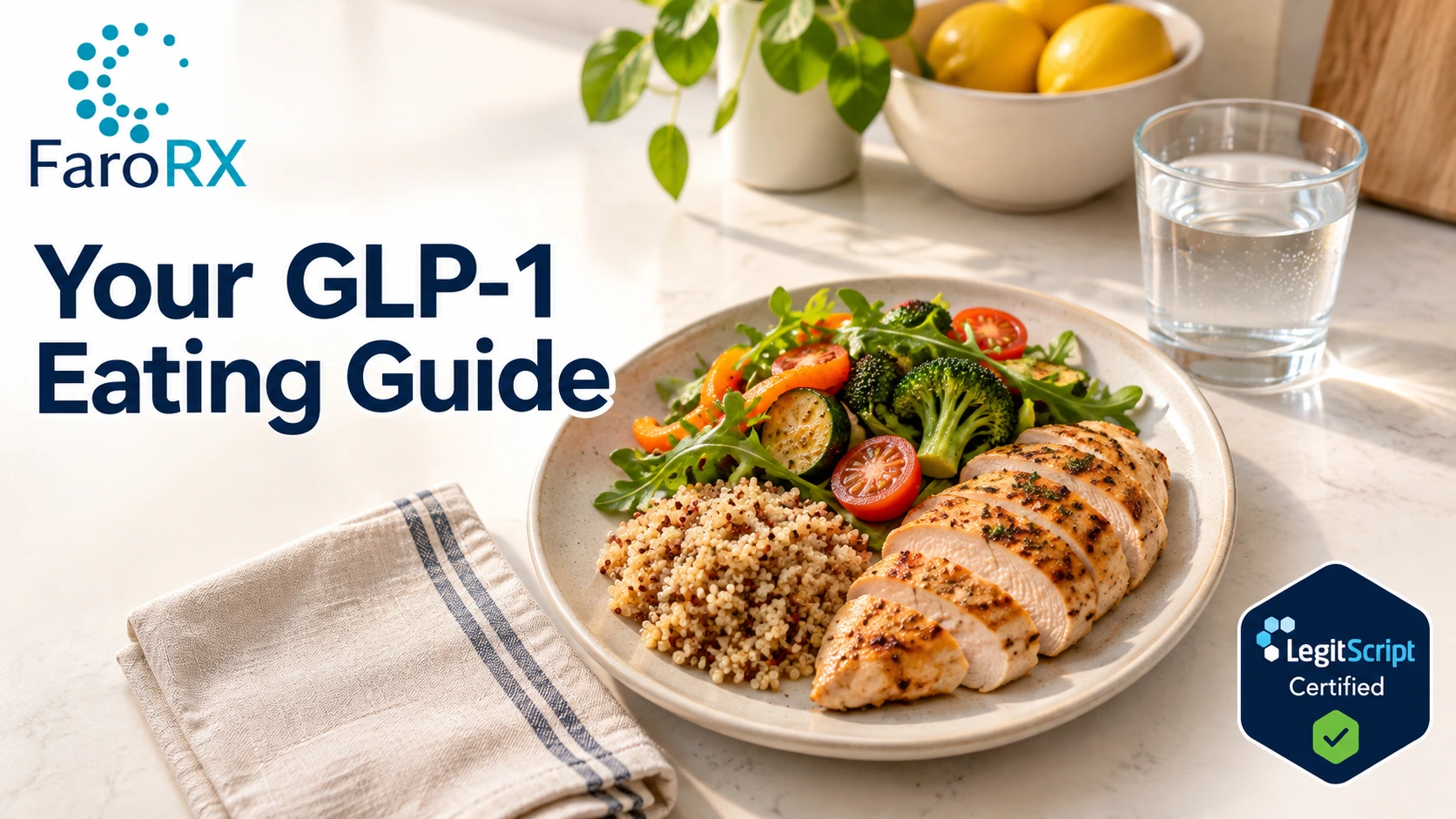
Quick answer: A GLP-1 diet should help you meet nutritional needs when appetite is lower. It is not a universal food blacklist or a plan to eat as little as possible. Focus on foods you can tolerate, regular opportunities to eat, and an individualized discussion of protein, fluids and symptoms with your clinical team.
Key takeaways
- Plan for adequate nutrition even when appetite is lower.
- Use familiar foods and ask for individualized protein and fluid guidance.
- Persistent trouble eating or drinking needs a clinical discussion.
What does “GLP-1 diet” mean?
The phrase usually refers to eating during treatment with a GLP-1-based medicine, including therapies such as semaglutide or tirzepatide. It does not identify a single medically approved menu. Your preferences, symptoms, medical conditions, budget and prescribed product all affect what is practical.
Start with a useful question: “How can I nourish myself consistently while treatment changes my appetite?” That question is more helpful than searching for the smallest possible intake or copying a restrictive plan from someone with a different health history.
Which foods can help you meet nutritional needs?
A 2025 joint advisory from U.S. nutrition and obesity organizations emphasizes nutritional assessment and support during GLP-1 therapy. Reduced intake can make nutrient adequacy and muscle preservation important concerns. The advisory is professional guidance, not proof that one menu will work for everyone.
The NIDDK healthy-eating resource describes a varied pattern including vegetables, fruit, whole grains, protein foods and appropriate dairy or alternatives. You can adapt that pattern to foods you enjoy instead of purchasing specialty products.
How can you build a balanced meal on a GLP-1?
| Meal component | Illustrative choices | Question to personalize |
|---|---|---|
| Protein-containing food | Eggs, tofu, beans, yogurt, fish or poultry | Which foods suit my preferences, tolerance and medical needs? |
| Fruit or vegetables | Fresh, frozen or appropriately prepared options | What portion and preparation are comfortable? |
| Grain or another carbohydrate food | Oats, rice, potatoes or whole-grain bread | How can I maintain a balanced meal rather than skipping food groups? |
| Fluids | Water or other appropriate drinks | Do I have any condition requiring a fluid limit? |
These examples are meal-building ideas, not prescribed portions. A registered dietitian can adapt choices for diabetes, kidney disease, food allergies, vegetarian preferences, cultural foods or an eating-disorder history. Access and convenience should be part of the discussion.
What if a usual meal suddenly feels too large?
Tell the care team what has changed. Describe whether the problem is early fullness, nausea, food aversion, pain or something else. Smaller, manageable eating occasions may be easier for some people, but persistent inability to eat or drink needs assessment.
Keep notes on foods and timing that seem comfortable. Avoid turning a brief episode into a permanent rule that a whole food group is “forbidden.” A symptom pattern can guide a conversation; it cannot establish a food intolerance or medication complication by itself.
How much protein should you eat?
There is no single GLP-1 protein number appropriate for every adult. Body composition, age, activity, medical history and the method used to calculate requirements all matter. Ask your clinician or dietitian to explain a target and how to meet it with ordinary foods.
Protein intake should be considered alongside resistance activity and overall nutrition, not used as an excuse to ignore other foods. A shake can be convenient when appropriate, but it is not automatically necessary or a substitute for evaluating consistently low intake.
Symptoms may need a medical response, not a new menu
Read the semaglutide or tirzepatide patient information for the medicine you use. Severe ongoing abdominal pain, repeated vomiting, inability to maintain fluids or an allergic reaction should not be managed solely by changing meals.
Contact the prescriber about troublesome symptoms. Do not change your dose, add medication or push through severe symptoms because an online plan says they are expected.
Make the plan workable for your week
- Choose a few familiar foods from several food groups.
- Plan shopping and preparation around your schedule and budget.
- Ask how to adapt meals on days when appetite is especially low.
- Agree on when low intake or symptoms should prompt a call.
- Review the plan as treatment, activity and health needs change.
Explore FaroRx weight-management care and the existing semaglutide side-effect guide for related questions. Nutrition support should complement individual medical care.
Explore FaroRx care and next steps
Start today — request a licensed-provider evaluation. A provider must assess suitability, alternatives and evidence. Completing an intake does not guarantee a prescription or benefit.
Related reading
Frequently asked questions
Is there one official GLP-1 diet?
No single menu fits everyone. An eating plan should reflect nutritional needs, food preferences, medical conditions, symptoms and the prescribed medicine.
Should I eat as little as possible because I am less hungry?
No. Lower appetite does not remove nutritional needs. Ask for help if you cannot eat enough or maintain fluids.
Do I need a protein shake?
Not automatically. It can be one option when appropriate, but ordinary foods may meet your needs. Discuss an individualized target with a clinician or dietitian.
Can meal changes replace help for severe symptoms?
No. Severe pain, repeated vomiting or inability to maintain fluids needs medical assessment rather than only a dietary adjustment.
What could a practical GLP-1 breakfast include?
An illustrative option is yogurt or an appropriate alternative with oats and fruit; eggs or tofu with toast are other possibilities. Portions and substitutions should fit your needs and tolerance.
Do I need to remove all carbohydrates from my GLP-1 diet?
Not automatically. Foods such as whole grains, fruit, legumes and other carbohydrate sources can fit a varied eating pattern. Discuss adjustments for your own medical needs rather than following a universal ban.
Sources
- Joint GLP-1 nutrition advisory, 2025
- NIDDK: healthy eating and activity for adults
- MedlinePlus: semaglutide injection
- MedlinePlus: tirzepatide injection
Sources checked November 10, 2026. General education for U.S. adults; not individualized medical advice. Discuss treatment questions with a licensed healthcare professional.
This article is for general education only and is not medical advice. Compounded medications are not FDA-approved and are not generic versions of, or equivalent to, any branded medication. Prescribed only when clinically appropriate after an online medical visit.
Ready to see if you qualify?
Take a short online visit and a licensed provider will review your intake.
See if you qualify